
In real estate, your website has to do two jobs at once: impress consumers and generate leads.
For years, real estate professionals faced a tradeoff between highly branded, visually polished websites and platforms designed to maximize search visibility. The challenge is that what looks best to consumers is not always what performs best in organic search.
As search evolves (especially with the rise of AI-powered discovery), that balance is becoming even more important.
Two Common Approaches to Real Estate Websites
Most real estate websites fall into one of two categories:
1. The Brand-First Experience
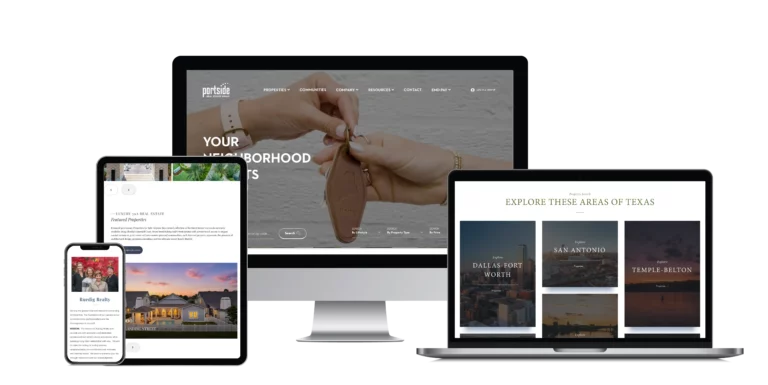
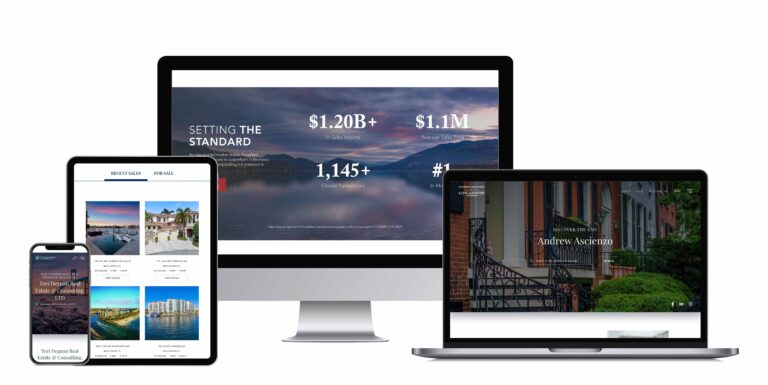
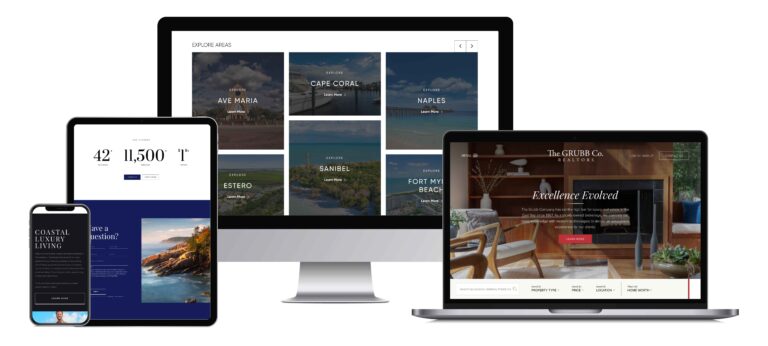
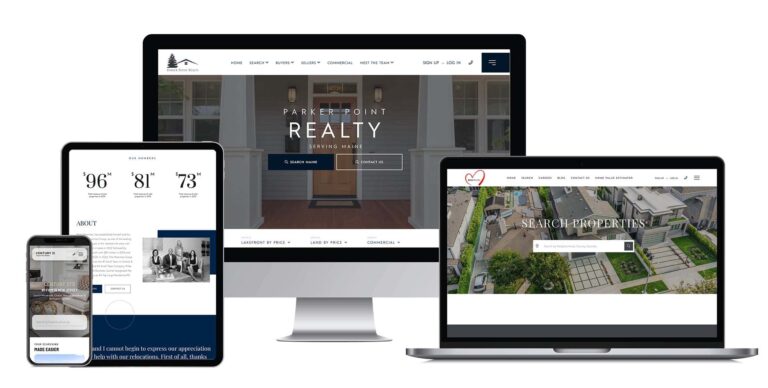
These websites prioritize aesthetics, luxury positioning, and premium user experience.
You know the type:
- Large photography
- Elegant typography
- Smooth animations
- Curated neighborhood experiences
- Highly visual home search
From a consumer perspective, these websites often feel modern, polished, and premium. They can instantly elevate a brokerage’s perceived value and strengthen brand trust.
But there’s often a tradeoff happening behind the scenes.
Many modern real estate websites rely heavily on JavaScript frameworks and app-like experiences. While this creates a smoother interface for users, it can introduce challenges for search engines trying to crawl and understand content.
Potential SEO drawbacks include:
- Heavier page loads
- Content rendered dynamically
- Reduced crawl efficiency
- Limited internal linking to inventory
- Fewer indexable search pages
In some cases, beautiful websites unintentionally hide valuable real estate content from search engines.
2. The Search-First Platform
The second approach prioritizes discoverability. These platforms are designed to help search engines efficiently crawl listings, community pages, and saved searches.
Characteristics often include:
- Server-rendered content
- Large numbers of indexable search pages
- Strong internal linking
- Robust listing architecture
- Structured local market pages
These websites may not always feel as luxurious or visually appealing, but they often excel at generating organic traffic. For real estate professionals competing in highly competitive markets, this can be a major advantage.
A website that ranks for:
- Homes for sale in [city]
- Waterfront homes in [market]
- Golf course communities near [location]
- Luxury condos in [city]
can create a substantial inbound lead engine over time.
The downside? These experiences can sometimes feel more functional than aspirational.
Why Crawlability Matters More Than Most Real Estate Professionals Realize
Real estate websites are fundamentally inventory-driven.
Search engines need to:
- Discover listings quickly
- Understand location relationships
- Crawl market pages efficiently
- Follow internal links between communities, listings, and property types
When websites rely too heavily on dynamic rendering or limit crawlable pathways, listings can become harder to discover. This matters because inventory freshness is one of the biggest competitive advantages in real estate SEO.
A stunning website loses value if buyers never find it.
The Rise of AI Search Changes the Equation
Traditional SEO focused on rankings. AI search introduces a different challenge: retrieval.
Increasingly, buyers ask questions like:
- “Best neighborhoods for families in Las Vegas”
- “Luxury golf communities near downtown”
- “Best places to retire with low-maintenance homes”
AI systems favor websites that provide clear, structured, information-rich answers. This means websites that rely mostly on imagery and short marketing copy may struggle to surface in AI-generated recommendations.
Content that performs well in AI discovery tends to include:
- Detailed neighborhood information
- Hyperlocal expertise
- FAQ content
- Clear market explanations
- Entity-rich descriptions
- Strong internal topic relationships
Ironically, some websites built primarily for search have an advantage here because they naturally contain more structured content.
The Best Real Estate Websites Blend Both Worlds
The strongest brokerage websites are beginning to combine:
- Premium User Experience: A polished, modern brand presence that builds trust with consumers.
- Crawlable Architecture: Fast, accessible content that search engines can easily index.
- Deep Local Content: Neighborhood expertise that answers real buyer questions.
- Scalable Search Pages: Targeted landing pages aligned to actual consumer intent.
- AI-Friendly Information: Clear, structured content designed for modern search systems.

Real estate professionals no longer need to choose between a website that looks incredible and one that performs. The real competitive advantage comes from building on a platform that can do both, like Union Street Media.
Reach out if you want to work with a partner who understands real estate websites.